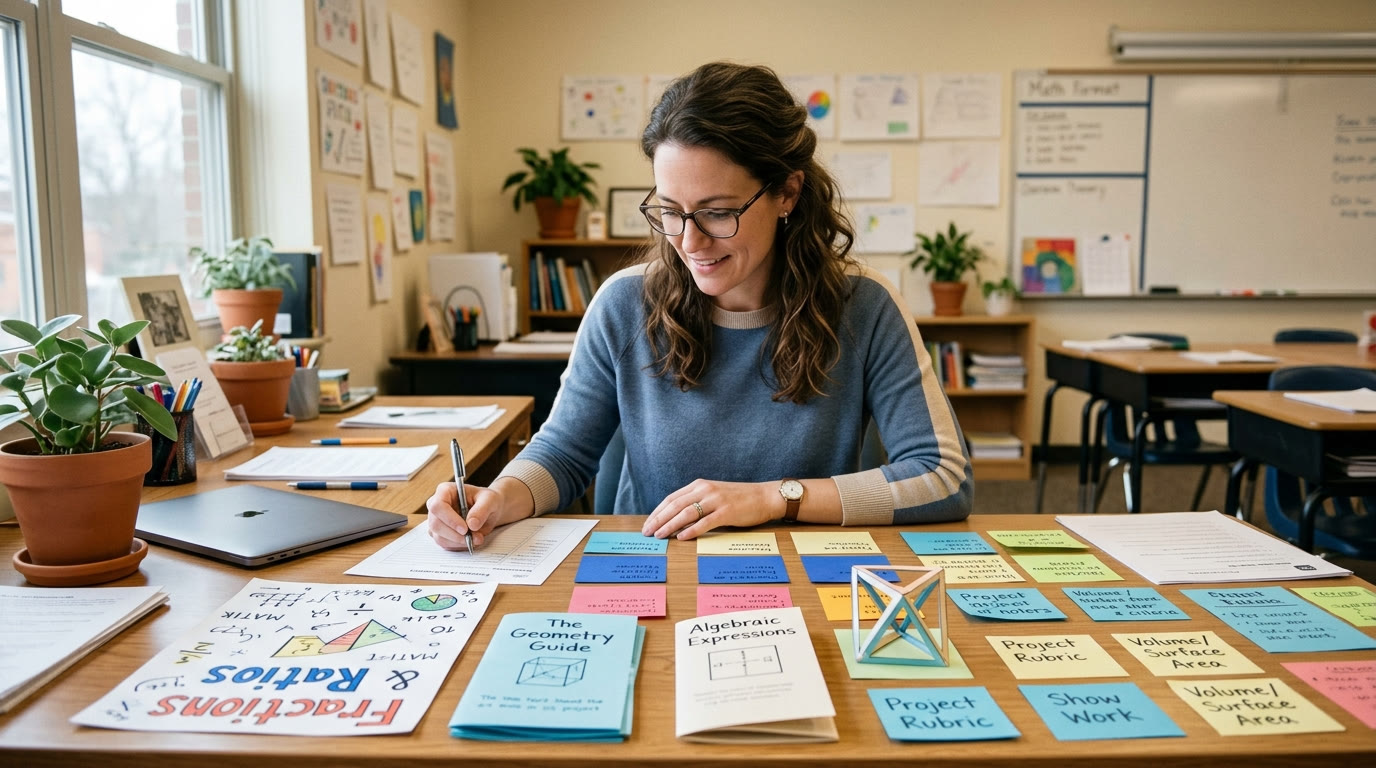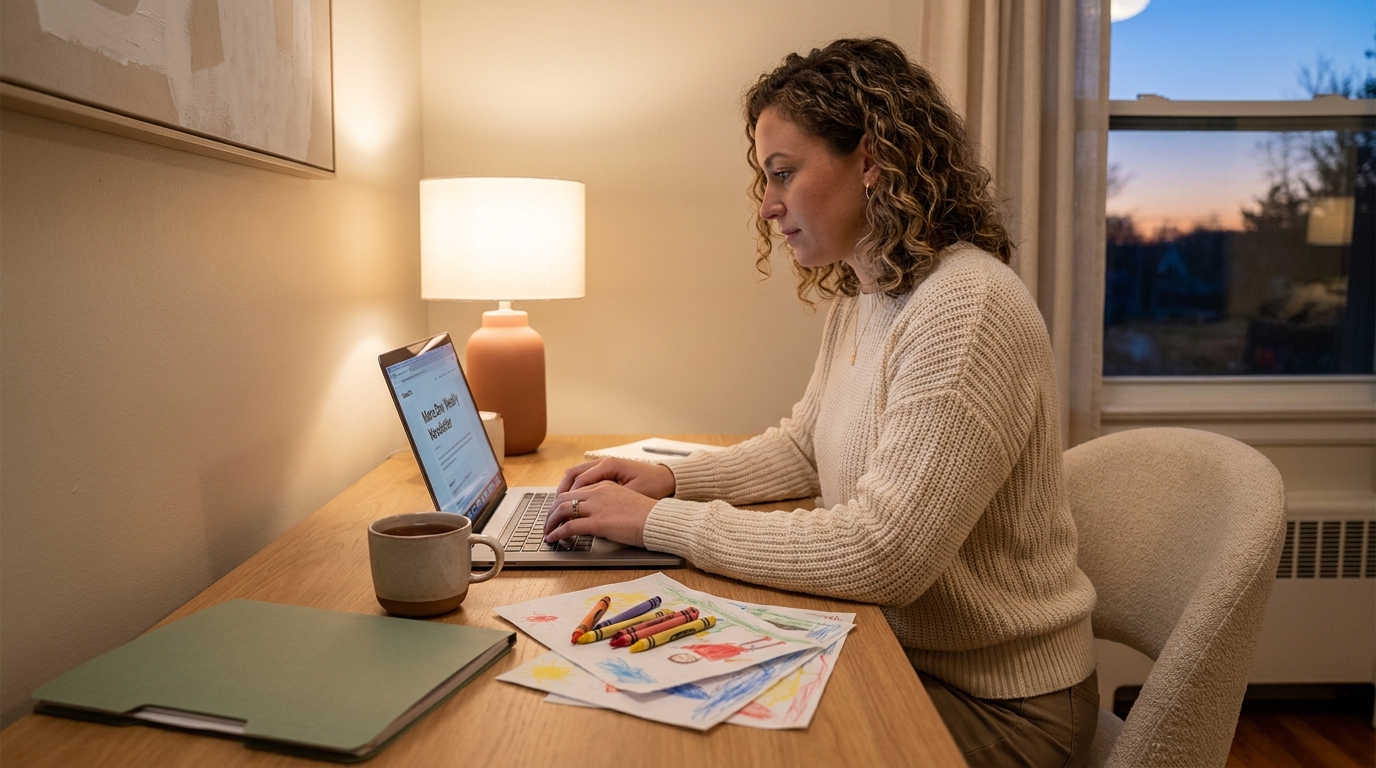
I used to write a newsletter parents didn't read. I know because I'd reference something in it during conferences and get blank stares. The problem wasn't effort, it was that I was writing a report, and parents don't have time to read reports about someone else's week.
Why the standard format fails
A wall of paragraphs under headers like "This Week in Reading" and "Upcoming Dates" reads like an internal memo. It has no clear ask, no clear "this is about your kid" hook, and it's long enough that a scrolling parent bails before line three. The newsletters that get opened do three things differently.
What actually gets read
- One line up top that answers "does this affect my kid this week." Something like: "Permission slip due Friday, math test moved to Tuesday, one quick ask below." That's the whole newsletter, for the parent who only reads one line.
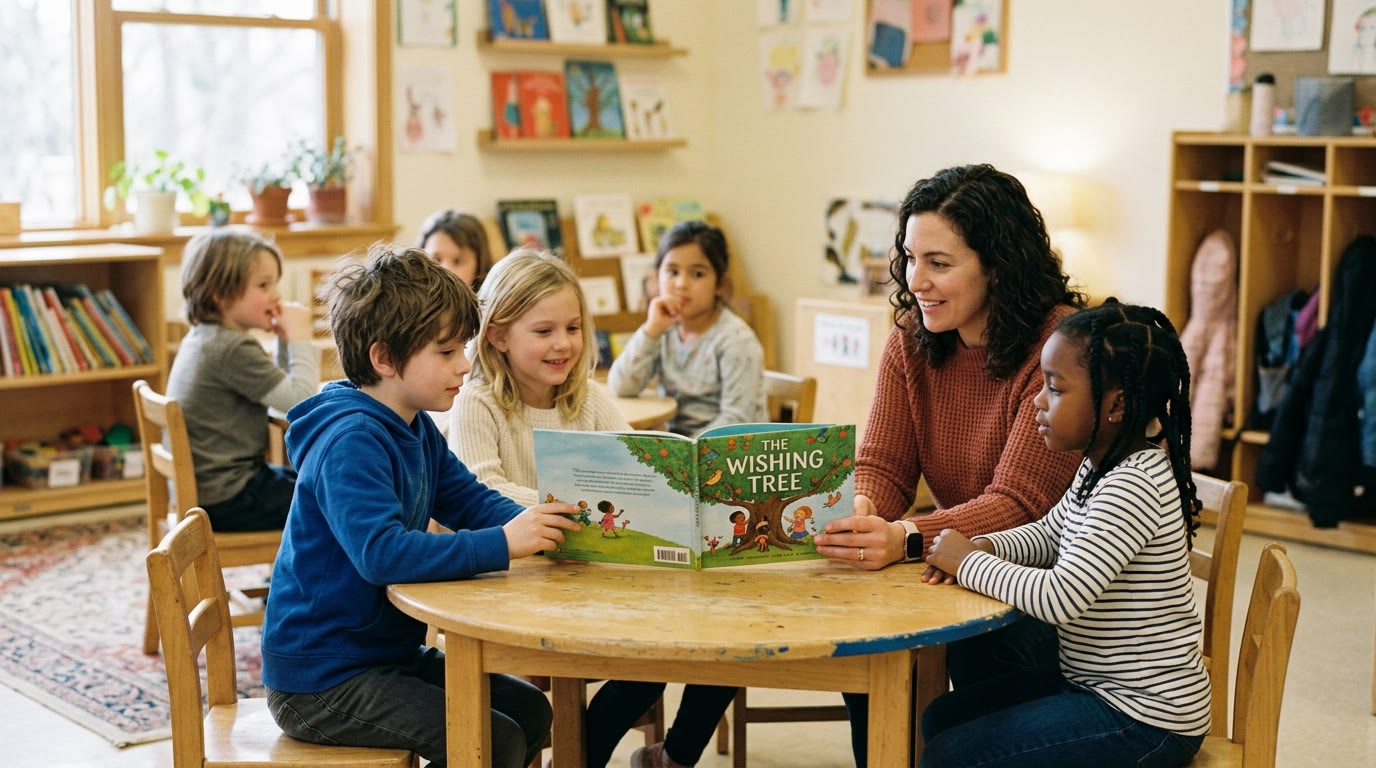
- A specific classroom moment, not a summary. "We built fraction bars out of Legos this week and half the class refused to stop at the bell" beats "Students explored fractions using manipulatives." One is a memory a parent will mention at dinner. The other is filler.
- Exactly one ask. Not five. If you need a permission slip signed, a supply replenished, and a volunteer for Friday, pick the most urgent one for the headline and bury the rest below a fold. Multiple asks with equal weight means none of them land.
- Dates in a scannable list, not a paragraph. Parents are looking this up on a phone between errands. A bulleted list of dates beats a sentence with five commas every time.
A structure you can reuse every week
1. One-line summary (the "does this affect me" hook).
2. The single most important date or ask, bolded.
3. One real classroom moment or student quote.
4. A short bulleted list of everything else, dates, reminders, links.
5. A sign-off that invites a reply, not just informs.
Where AI actually helps here
The bottleneck usually isn't ideas, it's turning three bullet points scribbled between periods into something that reads warm instead of like a memo. Our [educational newsletter generator](/education-newsletter) takes your raw updates, the audience, and a tone, and drafts a ready-to-send version in both email and printable formats. You're not asking it to invent your week, you're asking it to take what actually happened and phrase it the way you would if you had twenty unhurried minutes instead of four.
The one thing to cut
If your newsletter currently has a "classroom rules reminder" section, a "general district update" section, and a "thank you for your support" closer every single week, cut all three. Parents recognize boilerplate instantly, and every boilerplate paragraph they skim past trains them to skim past the whole thing next time, including the part you actually needed them to read.