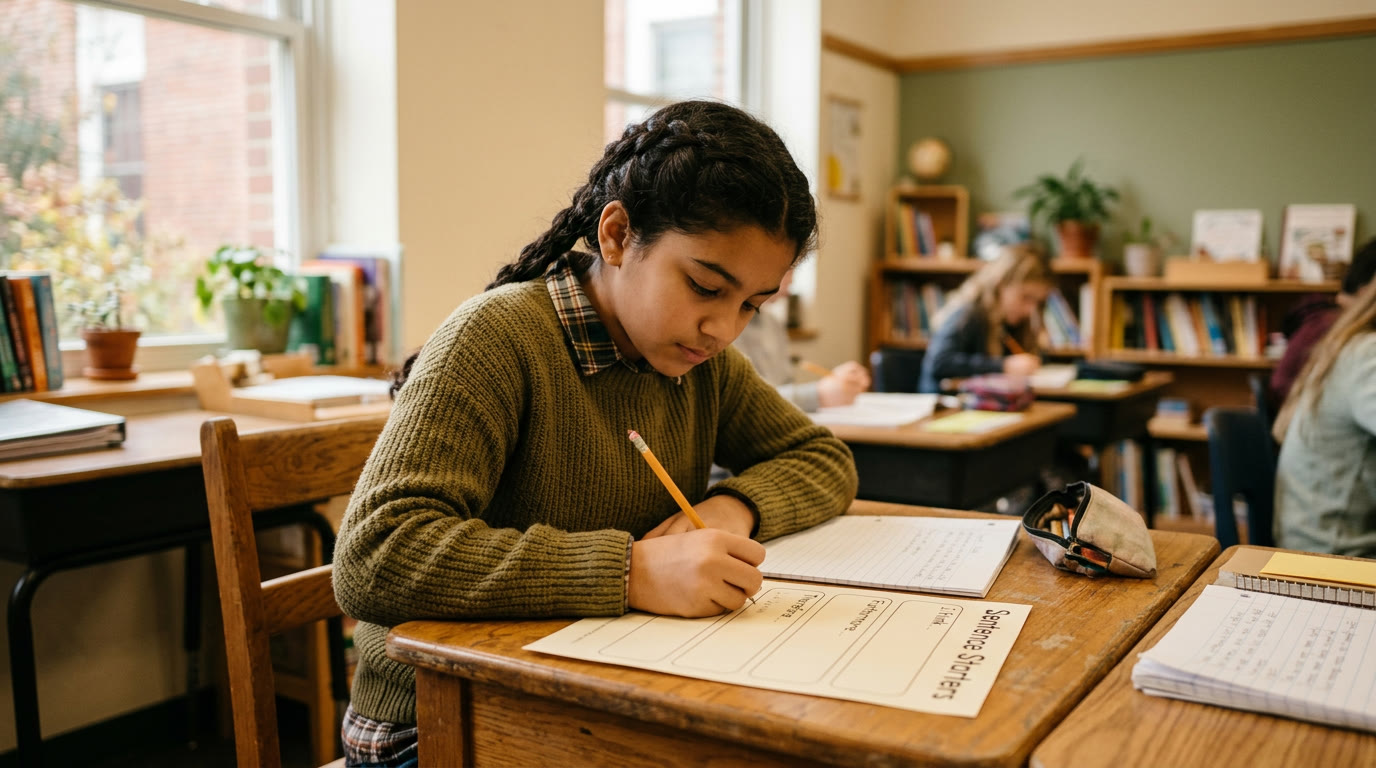
A Waldorf main lesson block is built around rhythm, story, artistic work, and recall practice repeated over three or four weeks. That structure is a genuine strength for most students, but it wasn't designed with a specific IEP's goals in mind, and a mainstreamed student with, say, a reading fluency goal or a working-memory accommodation needs the block adjusted without losing the rhythm that makes it work for the rest of the class.
Why this adjustment gets skipped or overdone
Some teachers leave the block exactly as designed, reasoning that its holistic, multi-modal approach probably supports most goals anyway. Sometimes it does, but "probably" isn't a plan, and an IEP goal for decoding fluency or for extended processing time doesn't get met just because the block includes storytelling and art. Others go the opposite direction and bolt on a parallel, separate curriculum for that one student, which undercuts the entire point of mainstreaming, being genuinely part of the same block as their peers.
What an actual adjustment looks like
1. Map the IEP goal to a specific point in the block's existing structure, not a bolt-on addition. If the goal is reading fluency, the daily recall or "remembering back" portion of the block, already part of the rhythm, is a natural place to add a short, targeted fluency practice rather than inventing a separate session.
2. Adjust pacing within blocks the student already has, not by adding new ones. A student with a processing-speed accommodation might need the same recall exercise extended by a few minutes or broken into two shorter passes, using time already built into the day rather than requesting extra pull-out time that separates them from the block.
3. Keep the artistic and rhythmic elements intact for everyone, including this student. The instinct to simplify or shorten a student's participation in the drawing, movement, or story portions of the block, assuming those parts are "extra," often removes exactly the multi-modal reinforcement that makes Waldorf's structure effective for varied learners in the first place.
4. Document the adjustment against the specific goal, not just as a general note. "Extended recall time to 8 minutes with a visual prompt card, supporting fluency goal #2" is something you and a future teacher can actually verify happened. "Modified as needed" isn't.
The mainstreaming tension underneath this
The whole point of placing a student with an IEP into a Waldorf classroom rather than a goal-specific pull-out program is usually that the family and team believe the holistic structure benefits this child. Adjustments that quietly rebuild a separate, parallel curriculum undo that reasoning. The adjustments that actually work are small, embedded, and specific, changes to pacing and emphasis within the existing block, not a second curriculum running alongside it.
Our [Waldorf block planning tool](/waldorf-block) builds the daily rhythm and weekly arc for a main lesson block, and gives you a structure specific enough to see exactly where a targeted adjustment fits without redesigning the whole thing. Our [IEP goals generator](/iep-goals) helps you write the specific, measurable goal language in the first place, so the adjustment you make to the block actually maps to something documented and checkable, not a vague intention.
What still needs your judgment
- Whether an adjustment is actually working, not just present. A modification written into the plan means nothing if you're not checking, a few weeks in, whether it's moving the actual goal forward.
- Balancing this student's needs against the rest of the block's integrity. An adjustment that works for one student but disrupts the shared rhythm for the whole class needs rethinking, not just accepting as the cost of inclusion.
- Communicating the adjustment to the family and case team in language they can actually verify. A vague "we're incorporating support" doesn't give a parent or a case manager anything to check against at the next IEP meeting.