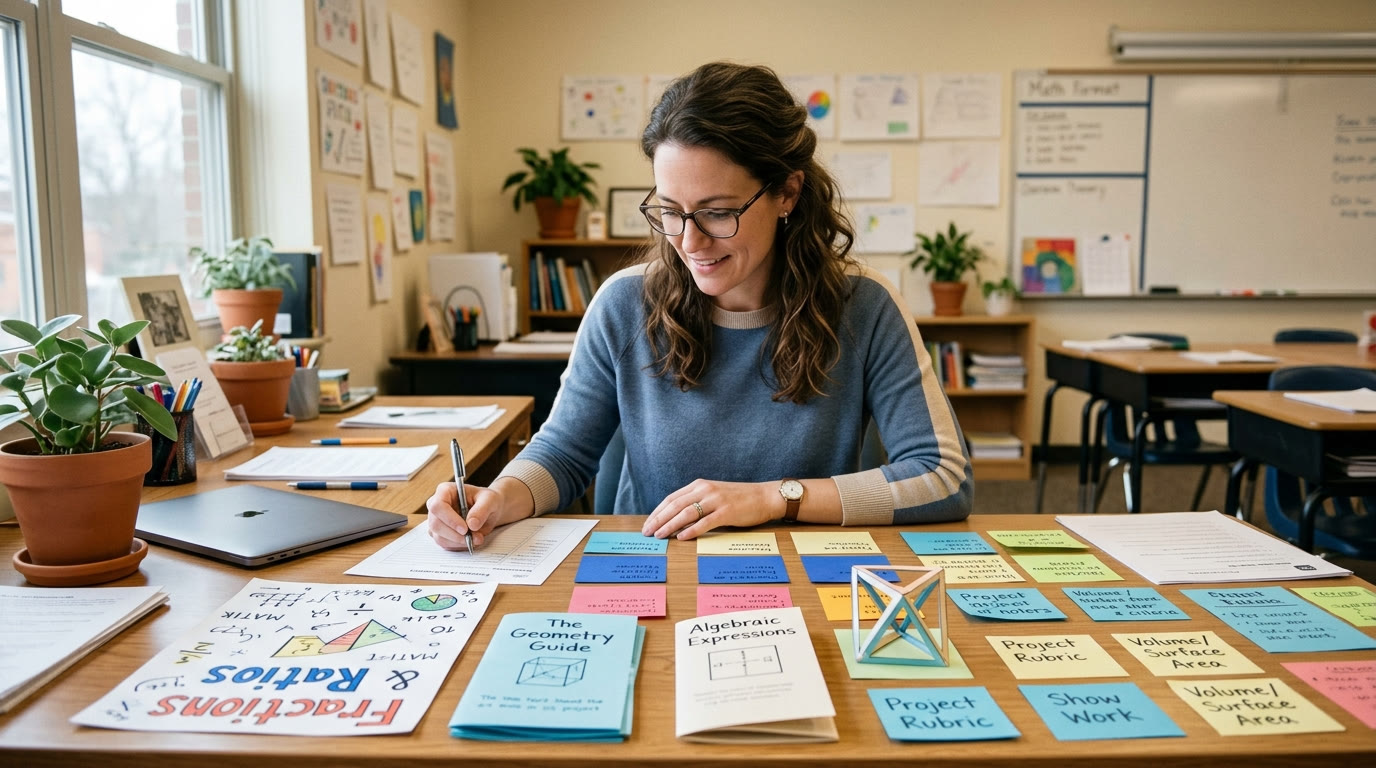
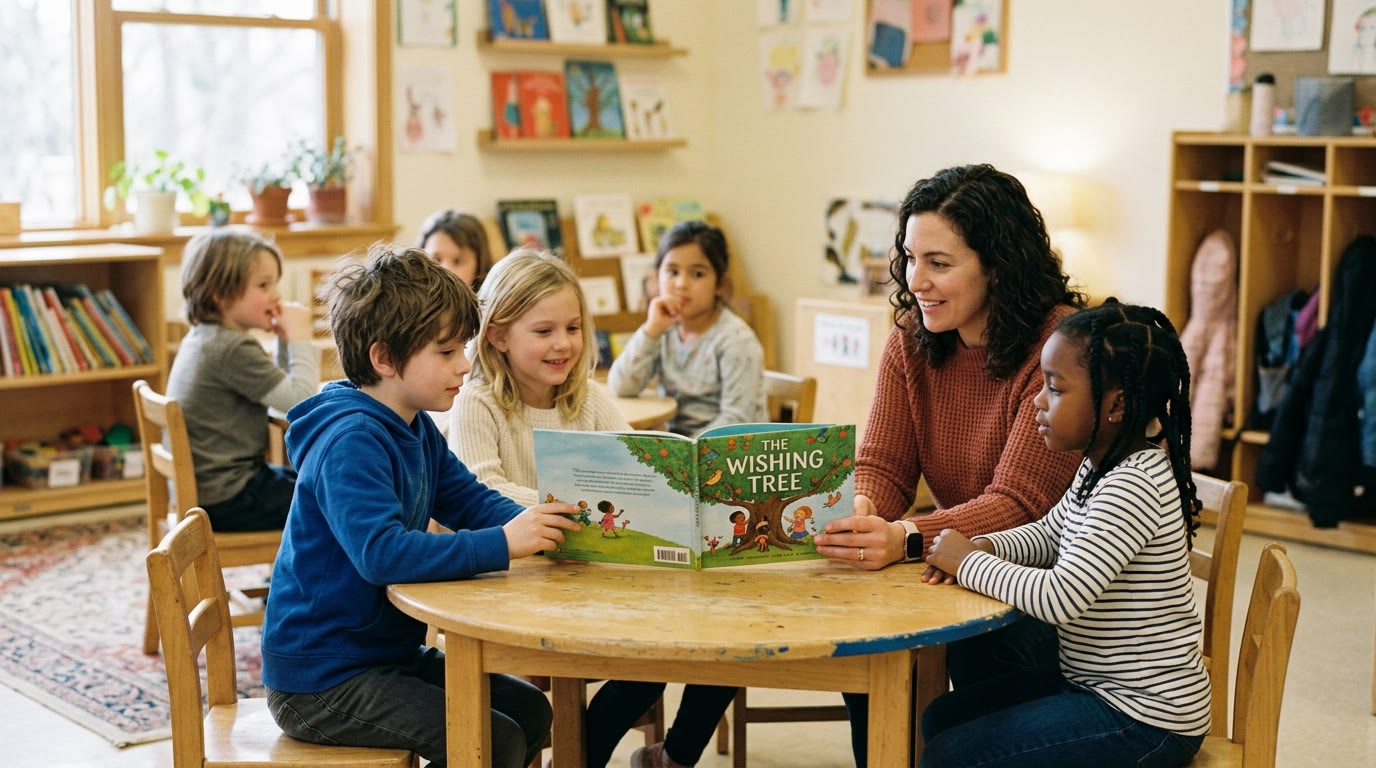
You planned a tight 20-minute overview: your grading policy, your communication norms, how the year is structured. What actually happened: one parent asked a question specific to their kid's IEP, another wanted to talk about last year's teacher, and by minute 30 you were fielding individual concerns in front of 25 other families who came for the overview, not a Q&A about someone else's child.
Back-to-school night goes sideways for a predictable reason: it's the one room all year where every parent has your full attention at once, and some of them will use it, understandably, to ask about their specific situation. The fix isn't to be less welcoming, it's to structure the room so individual questions have a clear place to land that isn't the middle of your group presentation.
Structure the night in three distinct zones
1. The overview (10-15 minutes, no questions yet).
State this explicitly at the start: "I'm going to cover everything for the whole year in the next 15 minutes. Hold individual questions. I promise there's a place for them at the end." Naming it up front gives parents permission to relax instead of holding a question anxiously the whole time.
2. The group Q&A (5-10 minutes, policy-level only).
"Questions about grading, communication, or how the class runs in general, go ahead." If a question veers individual ("can we talk about my daughter's..."), redirect kindly and immediately: "That's exactly the kind of thing I'd love to talk through one-on-one, can you grab me after, or should I email you this week?"
3. The individual window (structured, not open-ended).
Have a sign-up sheet, a QR code to book a 10-minute slot next week, or simply announce: "I'll be here for 10 more minutes for quick individual hellos, and anything bigger, let's schedule a real conversation where I can actually give it attention."
The redirect line that does the work
The single sentence that saves the night: *"That's important enough that I want to give it real time, let's set up a call this week."* It validates the parent's concern instead of brushing it off, while protecting the group's time and your own bandwidth for a rushed hallway answer that won't actually help their kid anyway.
What to prepare in advance
Our [classroom management tool](/classroom-management) helps you write out the routines and structure overview you'll present, so it's tight and specific instead of improvised on the spot. And our [parent communication kit](/parent-communication) gives you the follow-up email template for the individual conversations you deferred, sent the next morning while the night is still fresh, so "let's talk this week" doesn't quietly become never.
Why this actually builds more trust, not less
Parents don't remember whether you answered their specific question in the room. They remember whether you made space for it. A clear redirect to a real conversation reads as *more* attentive than a rushed answer squeezed between covering your grading policy and the family behind them tapping their foot.