A microschool's field trips are usually its strongest instructional days - a real museum, a working farm, a local government meeting - and also the days most likely to fall out of the attendance record entirely. A regular school day gets logged automatically by the building. A field trip day depends on somebody remembering, after the fact, to write down what happened, how long it lasted, and which standard it actually covered. By the time your state's reporting deadline arrives, half of those details are gone.
Why the calendar has to do double duty
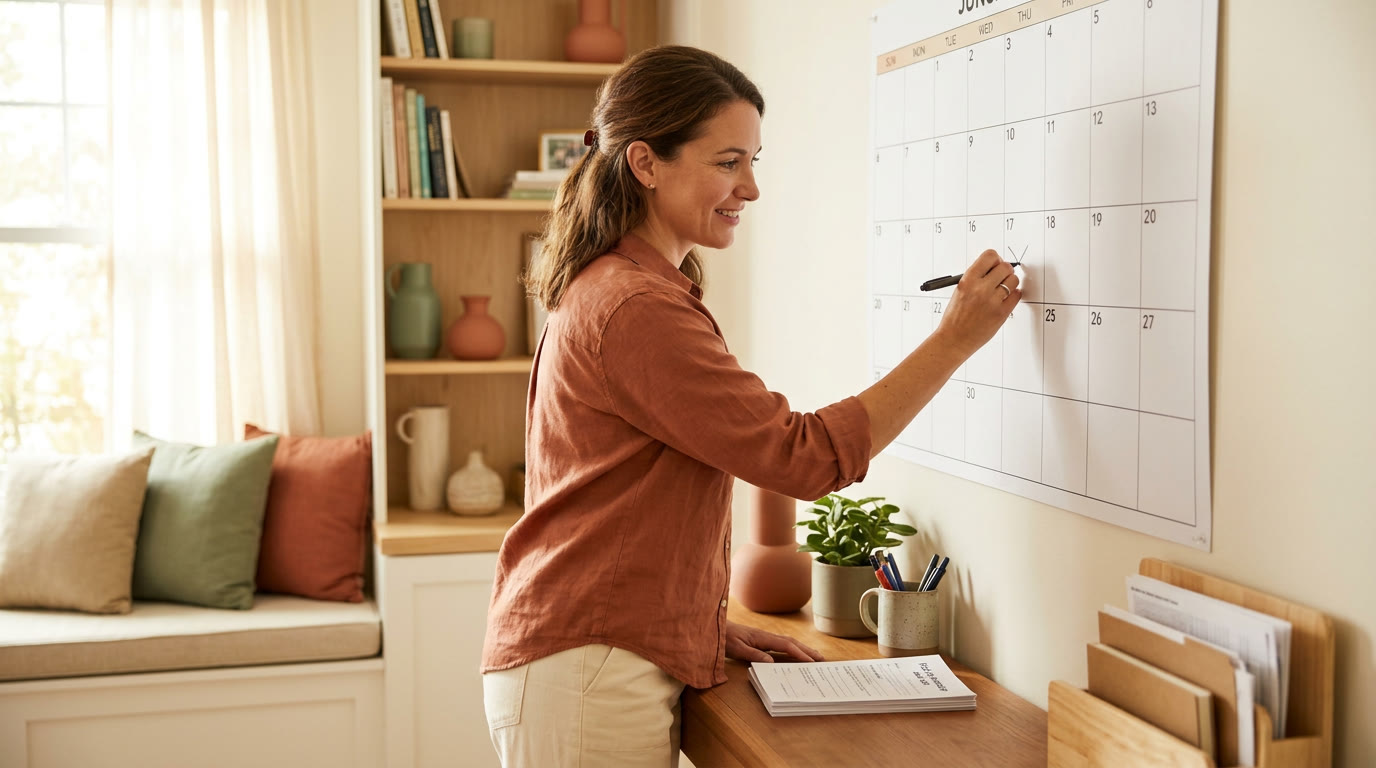
Most microschools already keep a trip calendar of some kind - dates, destinations, who's driving. What's usually missing is the second layer most states actually require for attendance and instructional-hours credit: how many hours the trip counted for, and what subject or standard it maps to. If that second layer only gets filled in retroactively, it's guesswork by the time you get to it, and guesswork is exactly what an audit or a records request will catch.
Building the calendar as a two-column system
The fix is treating every trip as needing two entries logged on the same day it happens, not after:
1. Logistics row - date, destination, drivers, permission slips collected, cost per family
2. Instructional row - hours counted, subject area, standard or objective it maps to, and a one-line note on what students actually did there
Filling in the instructional row the same day takes two minutes while it's fresh. Reconstructing it in June from memory and a permission-slip folder takes an afternoon you don't have.
A quick before/after
Before: a shared calendar invite that says "Field Trip - Science Museum, 9am" and nothing else, discovered again in May when someone asks how many instructional hours the year actually totaled.
After: the same invite, plus a logged entry the same afternoon - "4 instructional hours, Science, standard: forces and motion, students completed the museum's engineering-challenge worksheet and a follow-up reflection."
Drafting the instructional-hours language with AI
Once the trip has happened, turning a rough note into the specific, standards-mapped language your state's record wants is fast with a model, as long as you supply what actually happened:
- "We took a field trip to [destination] for [rough description of what happened]. It ran about [X] hours. Write a one-paragraph instructional log entry mapping this to a specific [grade] [subject] standard, in the format my state's homeschool records typically expect."
Log the result inside the [microschool plan tool](/microschool-plan) so trip documentation lives in the same place as your regular scope and sequence, and cross-check total instructional hours against the [homeschool planning tool](/homeschool-plan) periodically through the year rather than only at year-end - it's much easier to add one more trip in March than to discover in June you're short.
What still needs your judgment
- Know your state's actual definition of an instructional hour. Some states count travel time, some don't - confirm this once and apply it consistently rather than guessing trip by trip.
- Don't force every trip into a standard. An occasional purely social or enrichment outing is fine to log as such - stretching every field trip into forced academic language undermines the credibility of the ones that are genuinely instructional.
- Keep the two rows in one place. A logistics calendar in one app and an instructional log in a separate notebook is how the second layer quietly stops getting filled in by October - one system, updated same-day, is what actually survives the whole year.