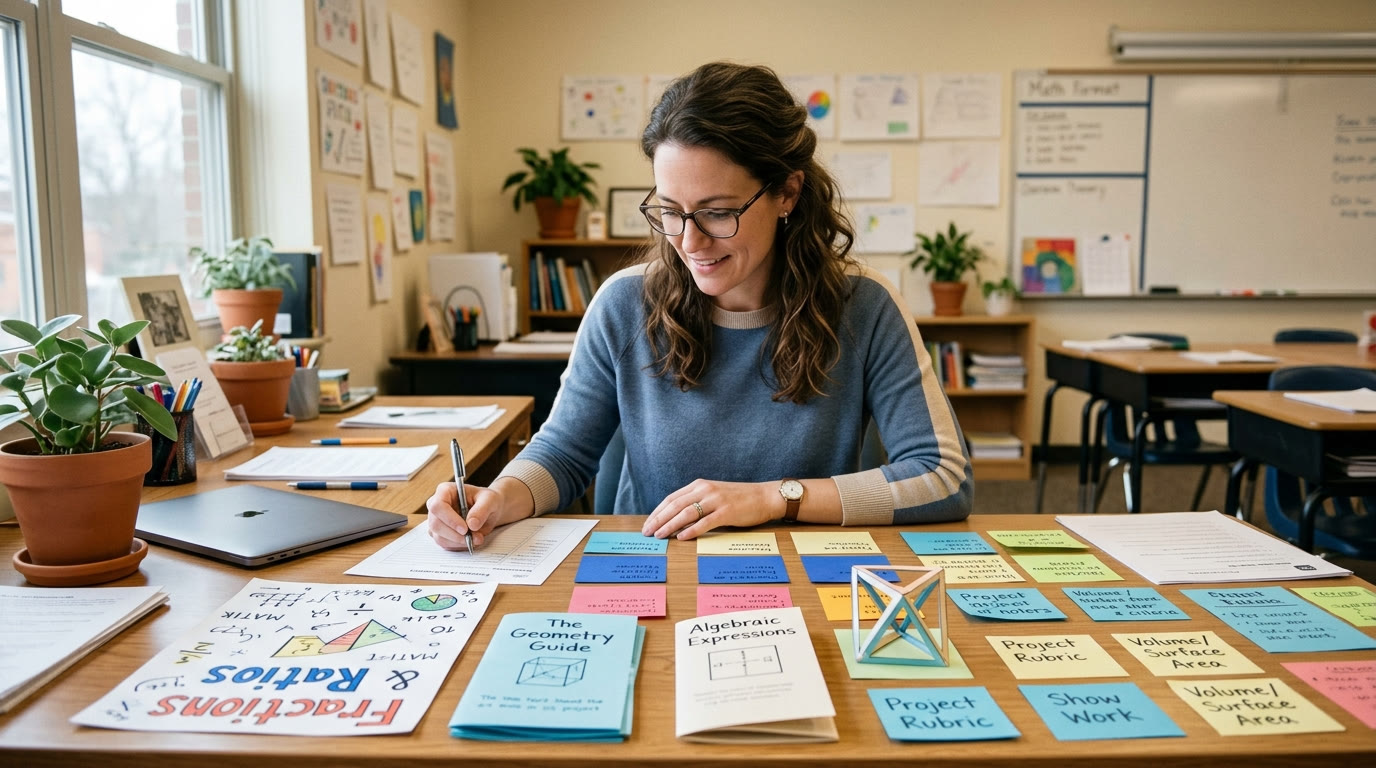
A good sub plan tells a substitute what the class is doing at 10:15. It doesn't tell them what to do if the fire alarm goes off at 10:16, or which kid in third period has a peanut allergy severe enough to need the epipen in the front cabinet. That's a different document, and most classrooms don't have it written down anywhere a stranger could find it fast.
The gap between a lesson plan and a safety plan
Sub plans get written the night before, in a rush, focused entirely on content: here's the worksheet, here's the video, here's what to collect at the end. That's the right instinct for a normal day. The problem is the day a substitute actually needs help isn't the normal one, it's the day something goes sideways, and a folder full of worksheets has nothing in it for that.
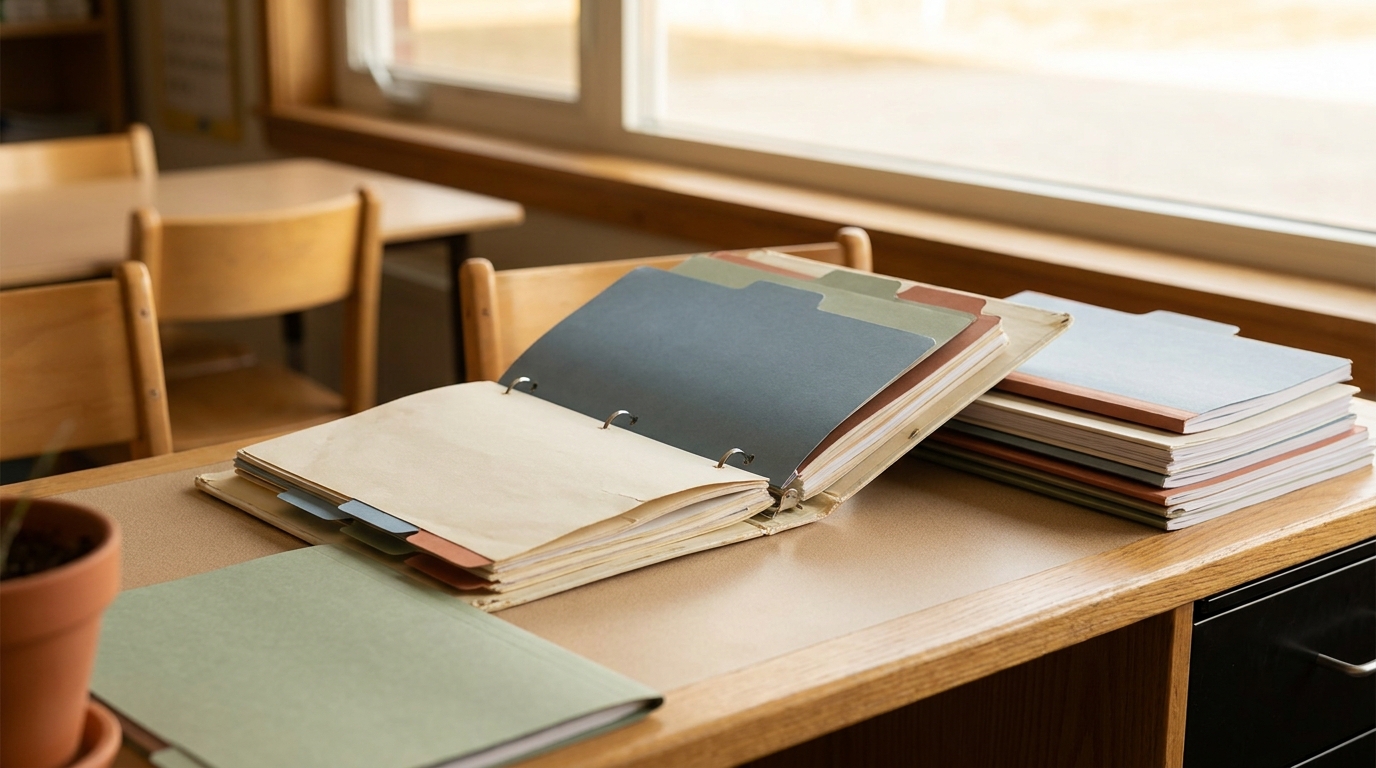
What belongs in a real substitute binder
- Emergency protocols, spelled out, not assumed. Fire drill route out of your specific room, lockdown procedure and where students hide, where the first aid kit and any epipens actually live. A regular sub covering five schools a month cannot be expected to know your building.
- Medical and allergy alerts, by name. Which students have allergies, medical conditions, or 504 plans that affect the school day, and what the substitute is actually supposed to do about each one, not just "aware of."
- Who to call, in order. Front office extension, the teacher next door who's agreed to be the go-to, and what specifically counts as "call someone" versus "handle it yourself."
- The schedule quirks that never make it into the lesson plan. Early dismissal on Wednesdays, the kid who leaves for speech therapy at 1:40, the fact that this class transitions to lunch five minutes before the bell because the cafeteria line backs up otherwise.
- A one-page "if this happens" cheat sheet, separate from the emergency protocols, for the ordinary chaos: a kid melting down, two students in a conflict, someone saying they feel sick. Simple, calm defaults so a substitute isn't improvising discipline decisions in a classroom they've never seen.
Why this always gets skipped
It's not that teachers don't care, it's that a safety binder feels like a big project you'll get to eventually, and eventually rarely comes before the sub is needed on short notice. The emergency-day document ends up being written, if it exists at all, only after a bad day already happened.
Where this gets faster
Our [classroom management plan generator](/classroom-management) can turn your routines, challenges, and the specifics of your room into a written plan a substitute can actually follow, the kind of structure that, paired with your school's official emergency protocols, becomes the binder instead of staying a someday project.
The test
Ask yourself: if a sub had to handle a real emergency in your room tomorrow with zero context from you, would the answer be sitting in a binder, or in your head? If it's only in your head, that's the binder to build this week, not eventually.