Planning
A co-op class that parents can actually teach next week.
Get a homeschool co-op class plan. Enter subject, ages, and session length.
01
How it works.
Provide subject, ages, session length and get a complete homeschool co-op class plan in minutes — including activities and notes. Free AI workflow, no signup required to preview.
 Planning
Start now
Plan my co-op class

02
Co-op plan: objective, materials, 4-part structure with timing, parent notes, take-home, next prep.
Format & standard
03
What good looks like.
01
CriteriaWhat it must include
- 01Multi-age class structure with explicit age band and how the spread will be handled in one room — the design assumes mixed ages and plans for it rather than pretending they are all the same.
- 02Session-by-session arc across the term with clear learning goals per meeting — parents and students can see the progression instead of a series of disconnected activities.
- 03Parent-teacher and volunteer roles with rotation schedule and clear expectations — the labor model is sustainable and transparent so families know what they signed up for before the term starts.
- 04Materials list, per-family fee or supply contribution, and classroom management norms written for a mixed homeschool population — assumes parents may stay or drop off and plans accordingly.
- 05Differentiation plan for the wide skill range that will actually be present — one lesson does not mean one worksheet for everyone in the room.
- 06Co-op calendar with built-in breaks and published participation/behavior expectations — families can plan around it and the group has shared norms before conflicts arise.
02
QualitySignals of expertise
- ✦Explicitly accounts for the parent co-teaching or volunteer-hour model instead of assuming paid staff — the schedule and roles are realistic for a co-op rather than a fantasy school.
- ✦Plans for wide skill spread and different parent-stay policies in the same document — the writer has run or observed real co-ops and knows the variables that break plans.
- ✦Builds in family communication and norm-setting up front — prevents the 'but at home we do it differently' surprises mid-term that fracture groups.
03
PitfallsCommon mistakes
- ×Designing as if it were a single-grade school class with paid teacher — the pacing and management collapse under the actual age and motivation range plus parent dynamics.
- ×Ignoring volunteer logistics and parent time constraints — burnout and last-minute cancellations because the design assumed infinite adult labor on a school schedule.
- ×Copying rigid school procedures that clash with co-op culture and parent autonomy — resistance and attrition follow when families feel treated like students themselves.
 Mapped out
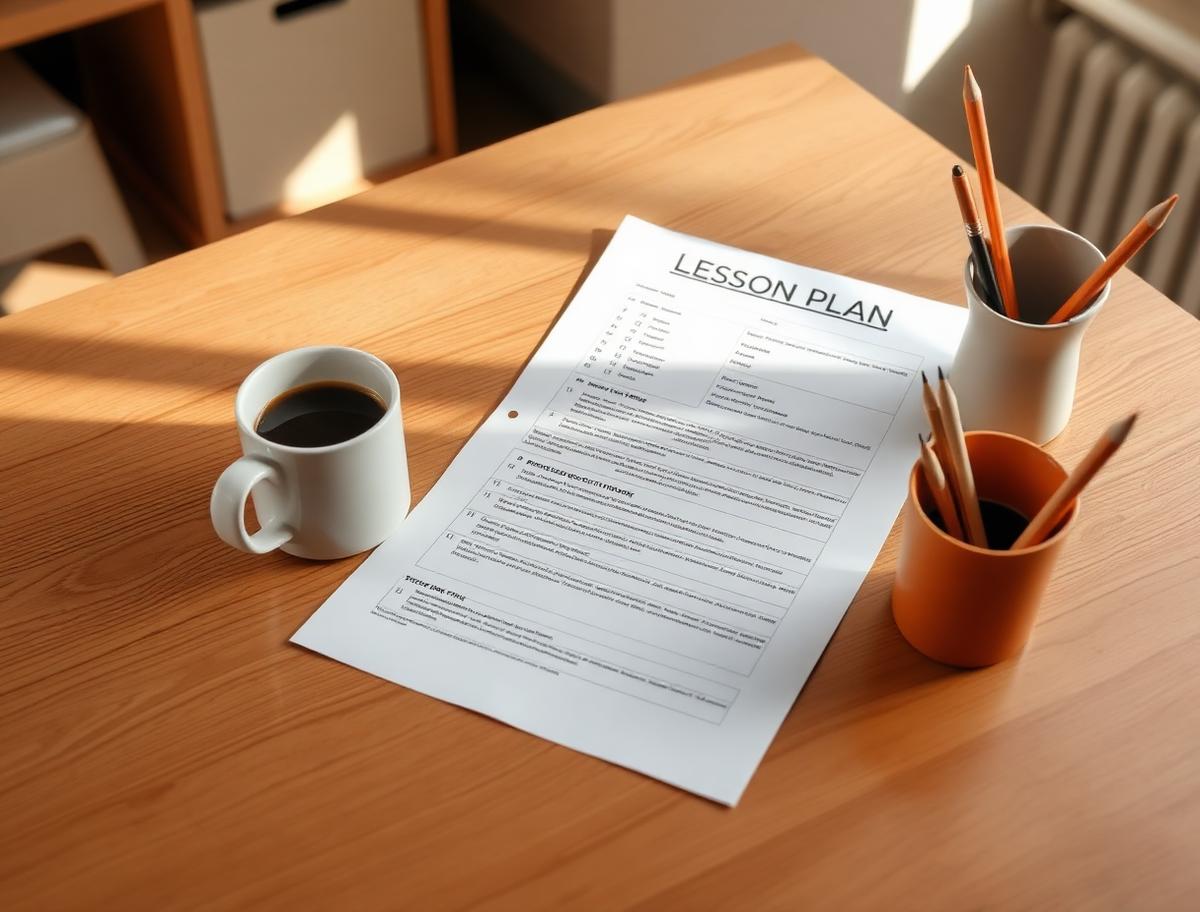 Print ready
 Team friendly
A good plan is what makes the room feel calm at 8:05 in the morning.
04
More in Planning.
- PlanningAdult / Continuing Education Course
Get an adult / continuing education course. Enter topic, audience, format.
- PlanningCharlotte Mason Lesson & Narration Plan
Get a Charlotte Mason lesson & narration plan. Enter subject, age, books.
- PlanningCourse Curriculum Builder
Get a course curriculum document. Enter topic, audience level, and duration.

Planning
Ready to plan my co-op class?
Get a homeschool co-op class plan. Enter subject, ages, and session length.