Planning
A lesson plan that fits the class in front of you.
Standards-aligned, ready for tomorrow morning. Enter grade, subject, the standard, and a couple of honest notes about your class.
01
How it works.
Give it the grade, subject, standard, and a note or two about your class — get a full lesson plan with objective, hook, activities, checks for understanding, and differentiation. Free, no signup.
 Planning
Start now
Generate my lesson plan

02
One-page plan: Objective · Hook · Activities (with timing) · Check for understanding · Differentiation · Materials · Exit ticket.
Format & standard
03
What good looks like.
01
CriteriaWhat it must include
- 01Standards-aligned learning objectives (measurable, e.g., Bloom's verbs) stated in student-friendly language — a student should be able to repeat back in one sentence what they are learning today and why it matters.
- 02Materials list matched to what the teacher actually said they have — the plan does not assume a printer, a cart of devices, or supplies that are not in the room.
- 03Lesson structure with hook/warm-up, I-do/we-do/you-do gradual release, guided and independent practice, and closure — the architecture is visible and the release of responsibility is intentional.
- 04Differentiation/scaffolds for varied levels and IEP/ELL named with concrete moves — the plan does not say 'differentiate as needed' and leave it to chance.
- 05Formative assessment/checks for understanding that can be run mid-lesson, not just an exit ticket at the end — the teacher knows whether to adjust before the period is over.
- 06Timing per segment that adds up to the block with a small buffer — the plan is realistic for the actual minutes available rather than an ideal 60-minute fantasy.
- 07Homework or extension that is optional or tiered and tied to the objective — the after-school work is not busywork or punishment.
02
QualitySignals of expertise
- ✦Writes measurable objectives tied to the named standard with a checkable behavior — a teacher could grade whether the class hit it or not.
- ✦Includes gradual-release (I do/we do/you do) and differentiation with specific scaffolds — the plan shows the writer understands how students actually acquire skill.
- ✦Embeds formative checks and times each segment to the duration — the plan is built for real classrooms with real clocks and real variation in understanding.
03
PitfallsCommon mistakes
- ×Vague non-measurable objectives like 'students will understand' with nothing to check — the teacher has no way to know if the lesson worked.
- ×Activities that assume tech, printing, or supplies the teacher said they do not have — the plan is unusable on the day it is needed.
- ×Differentiation as a copy-pasted paragraph or 'pair up' with no concrete moves — the students who need support get the same worksheet and the gap widens.
- ×No timing or timing that does not add up — the lesson runs long or ends early and the closure or practice is lost.
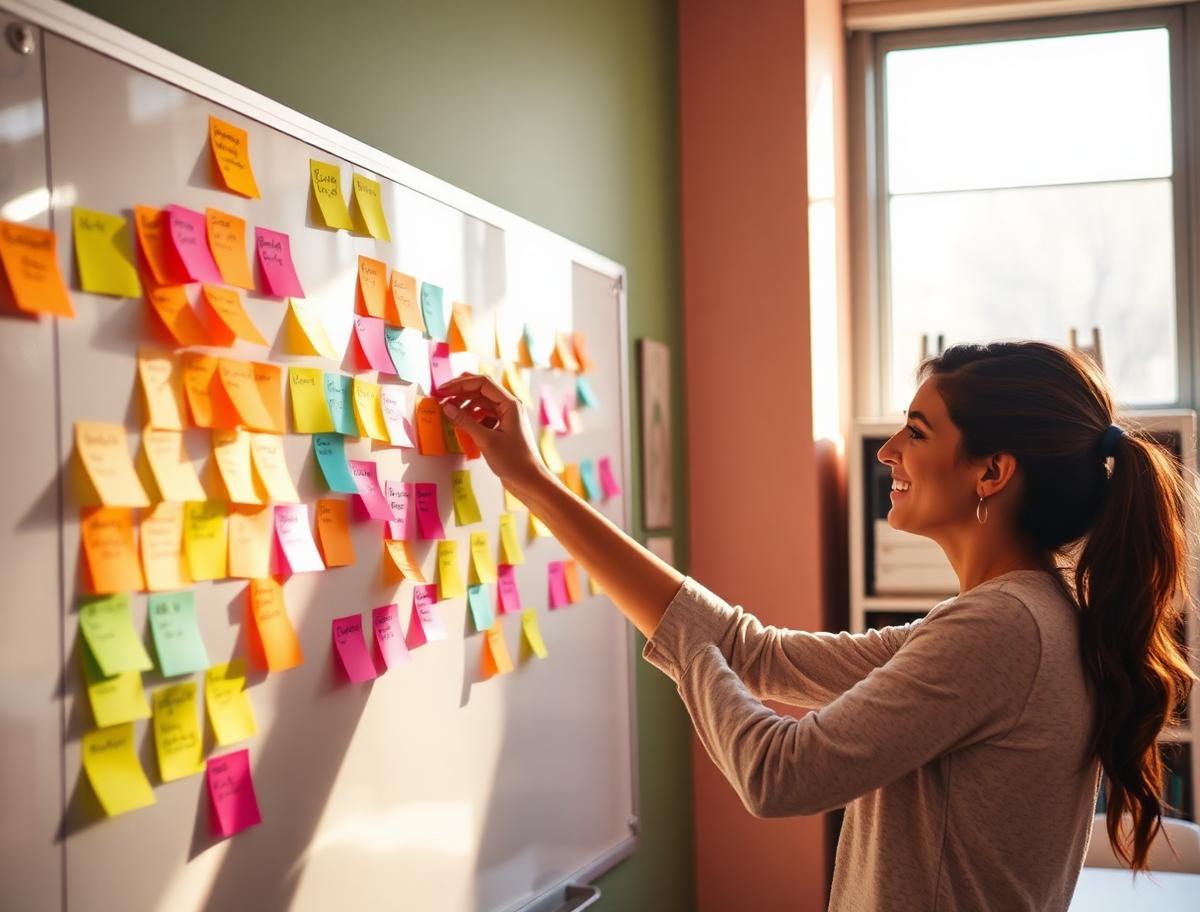 Mapped out
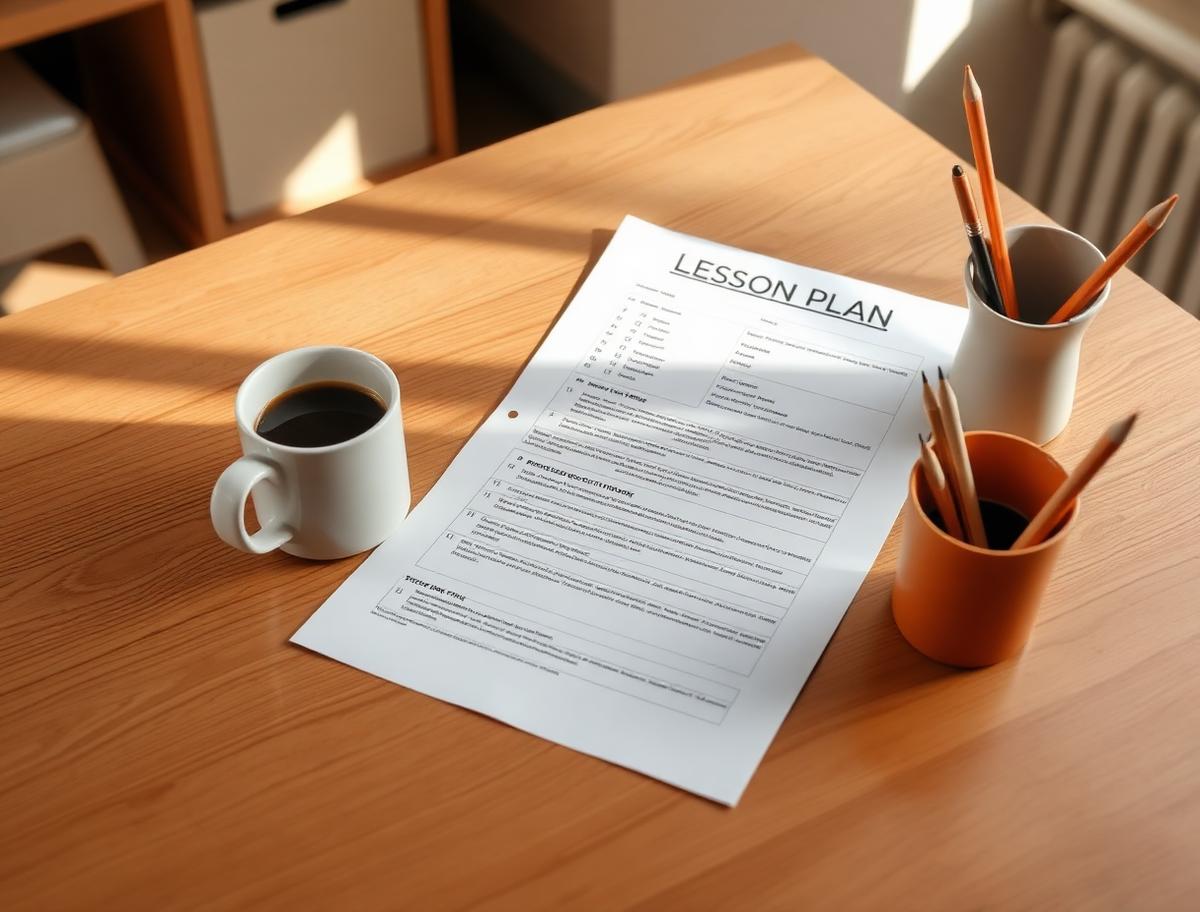 Print ready
 Team friendly
A good plan is what makes the room feel calm at 8:05 in the morning.
04
More in Planning.
- PlanningAdult / Continuing Education Course
Get an adult / continuing education course. Enter topic, audience, format.
- PlanningCharlotte Mason Lesson & Narration Plan
Get a Charlotte Mason lesson & narration plan. Enter subject, age, books.
- PlanningHomeschool Co-op Class Plan
Get a homeschool co-op class plan. Enter subject, ages, and session length.

Planning
Ready to generate my lesson plan?
Standards-aligned, ready for tomorrow morning. Enter grade, subject, the standard, and a couple of honest notes about your class.