Planning
Observation notes that actually drive the next presentation.
Get a Montessori observation record. Enter child, area, and period.
01
How it works.
Provide child, area, period and get a complete Montessori observation record in minutes — including environment, choices, next steps. Free AI workflow, no signup required to preview.
 Planning
Start now
Record my observation

02
Observation record: environment snapshot, child actions with time, points of interest, concentration, implication for next work.
Format & standard
03
What good looks like.
01
CriteriaWhat it must include
- 01Objective factual observation (what the child did, no interpretation or judgment words) — the note is evidence, not opinion.
- 02Date, time, duration, and area (Practical Life, Sensorial, Math, Language, Culture) — the observation can be placed in context.
- 03Materials used and the child's exact actions and language — the note is specific enough to be useful later.
- 04Length of concentration or work cycle indicators — the observer is looking for normalization signs, not just activity.
- 05Next-step material or presentation suggested based on the observation — the note leads to action, not just filing.
- 06Montessori-specific language (normalization, concentration, sensitive period, work cycle) used correctly — the observation is written in the right frame.
02
QualitySignals of expertise
- ✦Uses objective non-judgmental language and Montessori-specific terms (normalization, concentration, work cycle, sensitive period) — the observer sees through the Montessori lens.
- ✦Records exact actions and materials rather than summaries — the note can be used to plan a precise follow-up presentation.
- ✦Links the observation to a next-step material or presentation — the observation is not an end in itself; it drives the prepared environment.
03
PitfallsCommon mistakes
- ×Subjective or judgmental notes ('was good', 'was bad', 'tried hard') — the note reveals more about the observer than the child and cannot guide planning.
- ×Non-Montessori framing ('the child played with blocks') — the observer misses the developmental work happening.
- ×No link to next-step materials or presentations — the observation is collected but never used.
- ×Ignoring concentration and work cycle data — the observer misses the most important signals of normalization.
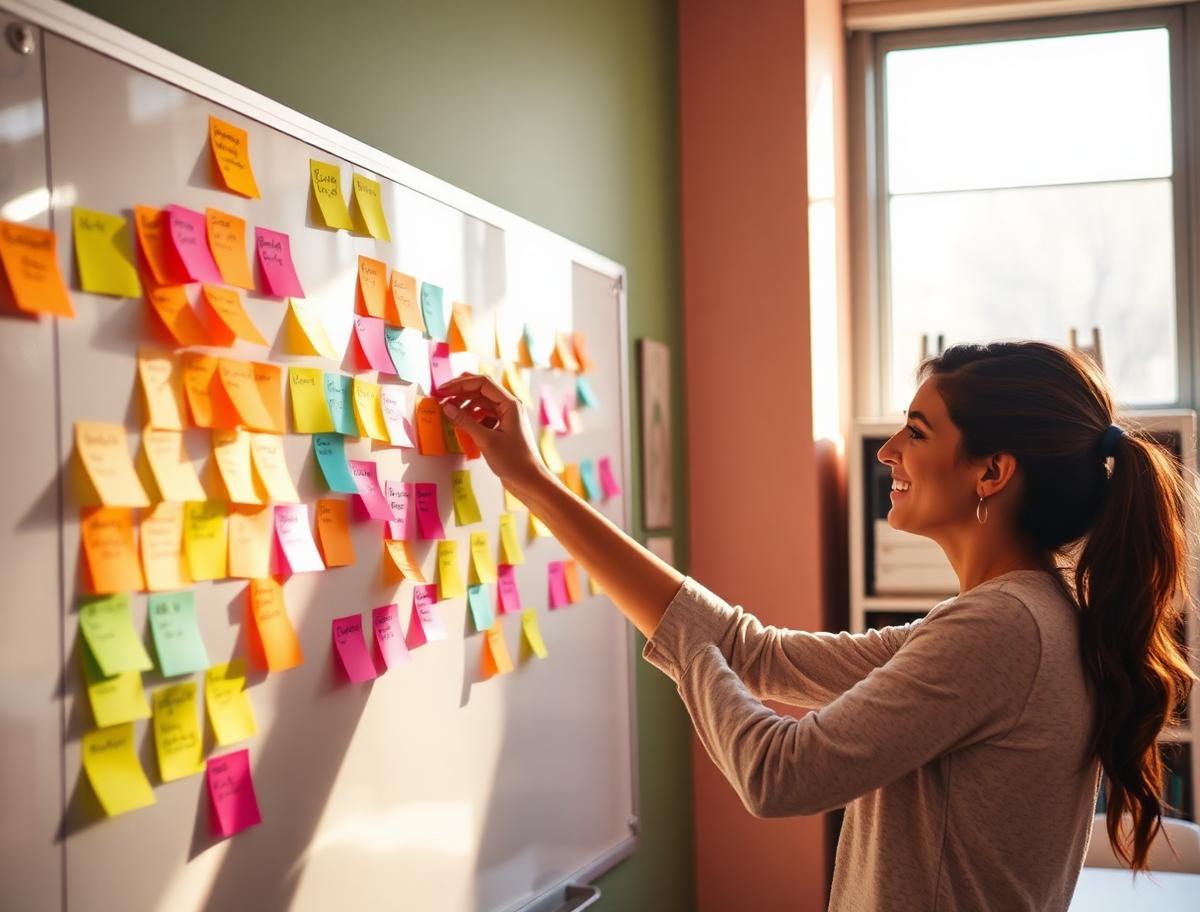 Mapped out
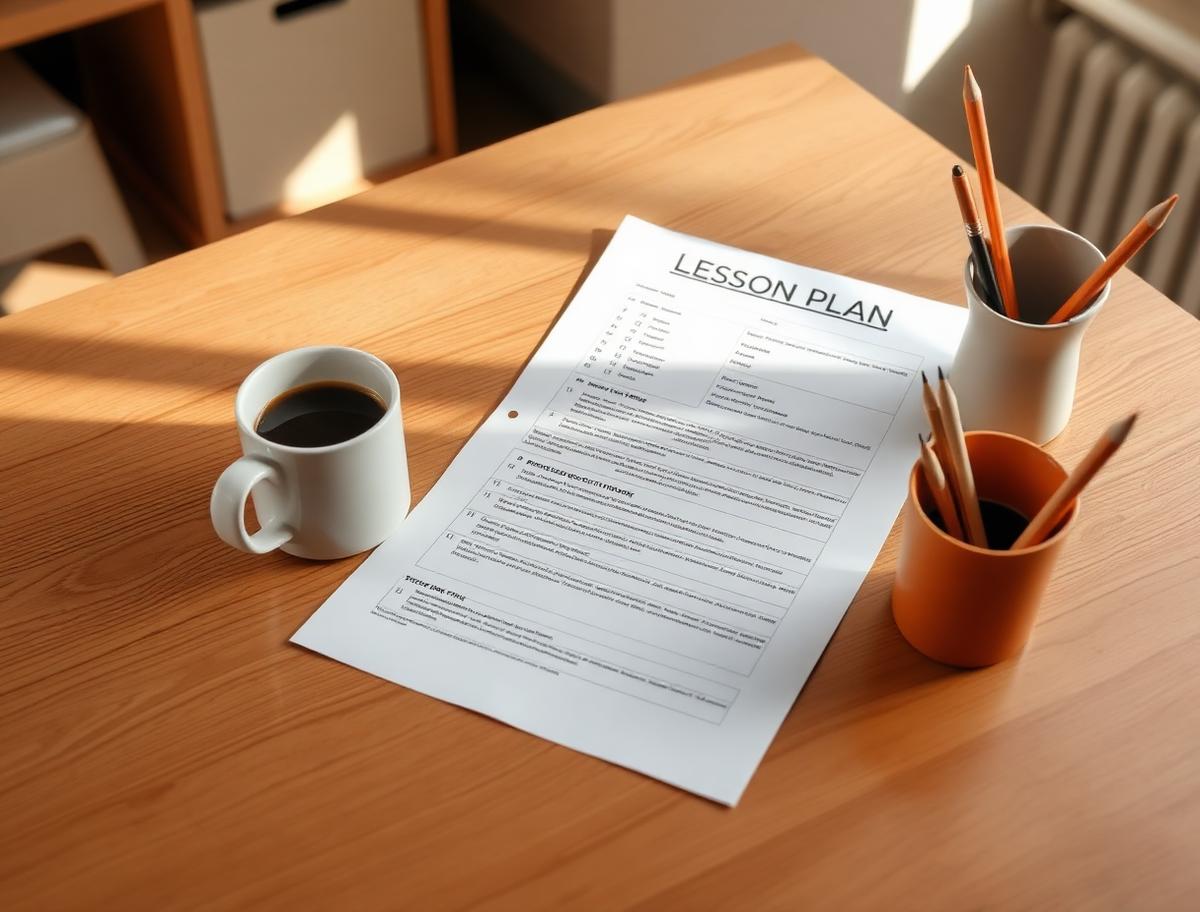 Print ready
 Team friendly
A good plan is what makes the room feel calm at 8:05 in the morning.
04
More in Planning.
- PlanningAdult / Continuing Education Course
Get an adult / continuing education course. Enter topic, audience, format.
- PlanningCharlotte Mason Lesson & Narration Plan
Get a Charlotte Mason lesson & narration plan. Enter subject, age, books.
- PlanningHomeschool Co-op Class Plan
Get a homeschool co-op class plan. Enter subject, ages, and session length.

Planning
Ready to record my observation?
Get a Montessori observation record. Enter child, area, and period.