Inputs the user provides
- [[Child Name / Age / Interests (current passions)]]
- [[Family Context and Goals]]
- [[State or Legal Requirements for Documentation (if homeschooling)]]
- [[Available Resources / Constraints (time, budget, location)]]
---
Deliverable
[[Child Name]] Interest-Led Learning Plan
Age: [[ ]]
Prepared: [[2026-06-29]]
Facilitator(s): [[Parent / Guardian Names]]
---
1. Interest Inventory & Current Passions Map
Current Strong Interests (child-led):
1. [[Interest 1 — e.g., "Dinosaurs and paleontology — especially theropods and fossil hunting"]]
1. [[Interest 2 — e.g., "Building with LEGO and Minecraft redstone engineering"]]
1. [[Interest 3 — e.g., "Cooking and kitchen chemistry experiments"]]
How interests were identified: Observation over [[time]], child self-report, repeated requests for books/videos/tools, play themes.
Emerging / Seasonal Interests to Watch:
"Strewing" Strategy (gently introducing new materials without pressure):
- Place high-quality related books, tools, or experiences in the environment where child will discover them naturally.
- Current strews: [[e.g., "New fossil identification guide left on coffee table + small rock hammer and safety glasses in art area"]]
---
2. Deschooling Acknowledgment & Mindset
Deschooling Goals (first 4-12 weeks or ongoing):
- Unlearn "school = learning only happens when directed by adult at set times"
- Rebuild trust that the child is a natural, curious learner
- Shift parent role from "teacher" to "facilitator, connector, documenter, and resource provider"
Daily Rhythm (flexible, not schedule):
- Morning: open exploration or project work (child leads)
- Midday: shared meal + possible outing or community activity
- Afternoon: quiet time, reading, hands-on, or screen time with purpose
- Evening: family debrief or "what did you wonder today?"
No Forced Curriculum: Child is never required to complete worksheets or lessons on topics outside current interests unless they choose or a specific legal requirement demands targeted coverage (then approached through interests).
---
3. Resource-Rich Environment Design
Physical Spaces:
- [[Dedicated project table or maker corner with accessible supplies]]
- [[Library area with rotating books tied to interests]]
- [[Outdoor exploration kit (binoculars, journal, bug containers, measuring tools)]]
Digital / Media:
- Curated playlists or channels (YouTube, podcasts) on current topics
- Access to age-appropriate research tools
Community & Real-World:
- Local museum memberships, library programs, clubs, mentors
- [[Specific — e.g., "Monthly visit to natural history museum; connection with amateur fossil club"]]
Budget Allocation (monthly example):
- Materials & tools: $[[ ]]
- Experiences & classes: $[[ ]]
---
4. Real-World Projects & Learning Opportunities
Current / Planned Projects (child-initiated or co-created):
1. Dinosaur Dig Simulation & Museum Exhibit
- Research specific dinosaurs
- Build dig site in sandbox or garden
- Create labeled museum display with facts and drawings
- Present to family or small group
2. Recipe Invention & Kitchen Lab
- Choose 1 new recipe per week
- Experiment with substitutions and record results
- Document chemistry observations (baking soda reactions, gluten development)
3. [[Project 3]]
Mapping Interests to Traditional Subjects (retroactively for documentation):
| Interest / Project | Math | Science | Language Arts | Social Studies | Other |
|---|
| Dinosaur dig | Measurement, graphing finds | Paleontology, geology, biology | Research writing, labeling | History of discovery, maps | Art: scientific illustration |
| Kitchen experiments | Measuring, ratios, timing | Chemistry, biology (fermentation) | Procedural writing, journaling | Cultural food traditions | Health & nutrition |
---
5. Documentation & Portfolio / Legal Compliance
What to Document (tailor to your jurisdiction):
- Learning activities with date, description, child reflection or product
- Progress in core areas (reading, writing, math) shown through authentic work, not tests
- Hours or subject exposure if required (use project logs)
Recommended Tools:
- Simple shared digital folder or physical portfolio binder
- Photo + caption of process and products (weekly)
- Child's own learning journal or voice notes
- Quarterly narrative summary written with or by child
Sample Log Entry:
Date: 2026-06-15
Activity: Fossil hunting at [[location]] + research session
Subjects touched: Science (paleontology), Math (sorting/measuring specimens), Writing (field notes)
Child reflection: "I found a real shark tooth! The biggest one was 2 inches. I want to learn the names of all the teeth."
Annual Portfolio Contents (example structure):
- Interest map at start and end of year
- 8-12 representative work samples with reflections
- Reading log (books chosen by child)
- Math evidence (projects, games, real applications)
- Any required standardized test results or alternative assessment
---
6. Flexible "Spine" Goals (Minimal Structure)
Even in interest-led learning, families often track a light spine to ensure broad exposure and address any legal minimums:
Literacy Spine (child-led where possible):
- Daily read-aloud or independent reading (minimum 30-60 min)
- Writing for real purposes (letters, stories, instructions, research)
Numeracy Spine:
- Real-world math embedded in projects and daily life (cooking, budgeting, measuring, games)
- Explicit practice only when child requests or when a gap blocks a project
Health, Movement, Social:
- Daily outdoor time and physical play
- Regular social opportunities with mixed-age peers
World & Self Knowledge:
- Exploration of history, cultures, nature, and personal interests through projects
Review Cadence: Monthly family meeting to look at documentation and ask "What are we curious about now? Any big gaps we want to lean into?"
---
7. Facilitator Role & Boundaries
Parent / Facilitator Commitments:
- Observe without immediately directing
- Respond to requests for resources, experiences, or help within reasonable time
- Protect large blocks of uninterrupted time
- Model learning (your own projects visible)
- Document without turning it into schoolwork
When to Step In More:
- Persistent frustration that blocks joy (offer tools or micro-scaffolding)
- Legal requirements that cannot be met through current interests (bridge via project)
When to Step Back:
- Questions are being answered through research or experimentation
- Child requests "I want to do this by myself"
---
8. Community & Support Network
- Local unschooling / interest-led homeschool groups
- Online communities (respectful, moderated)
- Mentors or experts in child's interest areas (via libraries, museums, local businesses)
- Annual or semi-annual learning fair or showcase (optional)
---
This plan honors the child's lead while providing enough structure for joyful, broad learning and any required documentation. Revisit and revise quarterly or when interests shift significantly. Trust the process.
 Planning
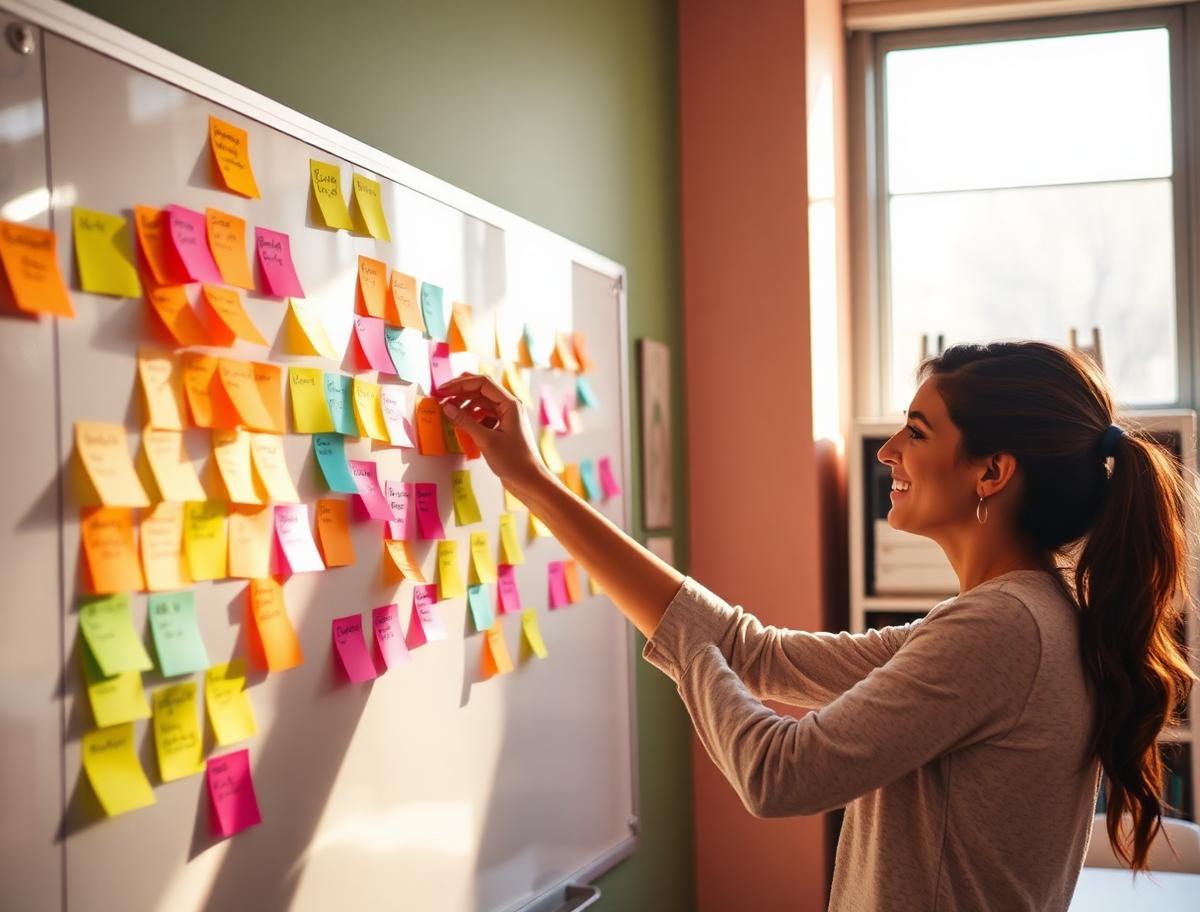 Mapped out
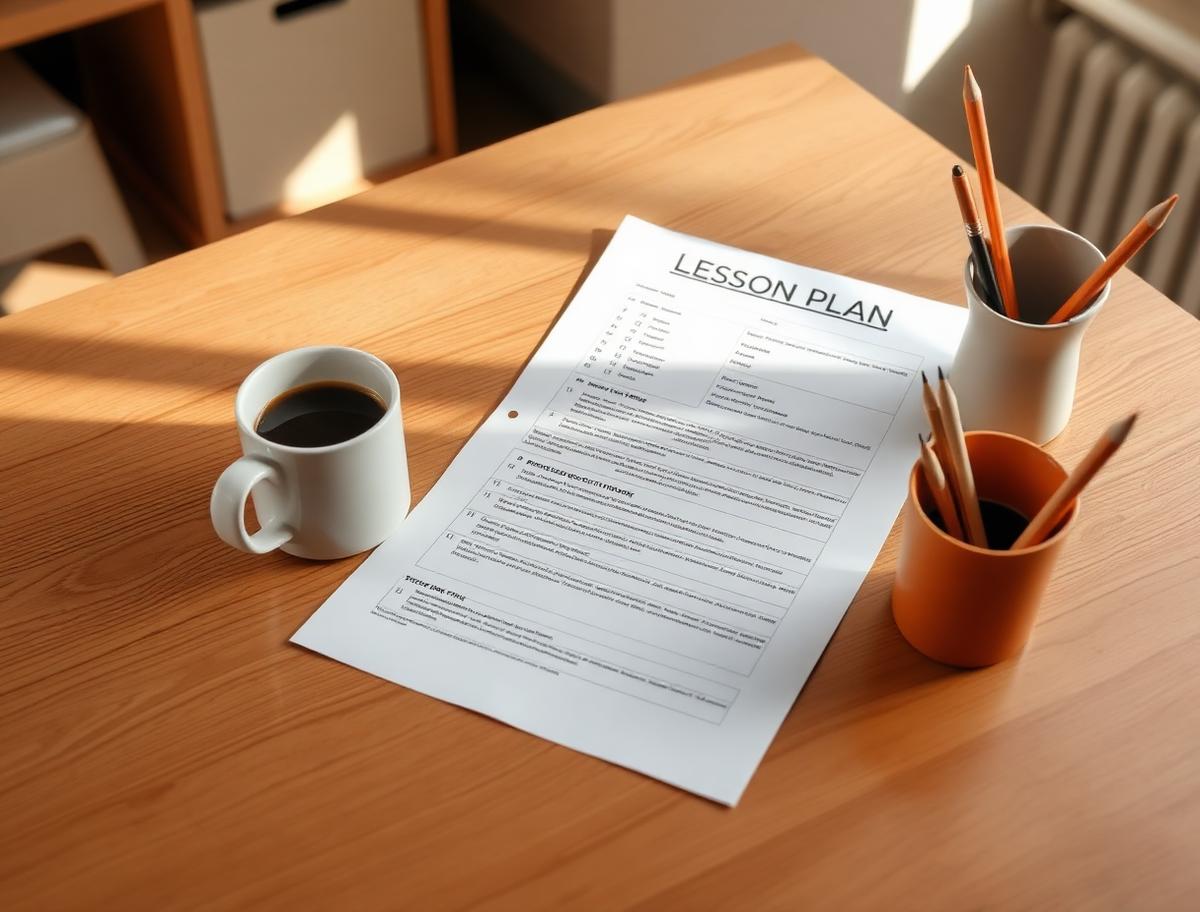 Print ready
 Team friendly